An IPTV encoder is a piece of hardware or software that converts a video source — like a camera feed, a cable/satellite receiver output, or a media server — into a digital stream that can be distributed over an IP network. It’s the component that makes it possible to take a live video signal and turn it into something a TV, computer, or mobile device can receive and play over the internet or a private network.
This is a foundational piece of equipment in the professional and hospitality IPTV world — used by broadcasters, hotels, hospitals, campuses, and event venues to distribute live channels internally or to the public, entirely within legal broadcasting and licensing frameworks.
IPTV Encoder Defined
At its core, an encoder takes raw or lightly compressed video (from an HDMI source, SDI camera feed, or similar) and compresses it into a standard streaming format — commonly H.264 or the more efficient H.265 (HEVC) — that can be transmitted efficiently over a network without needing excessive bandwidth.
Without encoding, raw video is far too large to stream practically. The encoder’s compression step is what makes real-time distribution over IP networks feasible.
How an IPTV Encoder Works
Input Sources
Encoders accept video from a range of source types, most commonly:
- HDMI — from cameras, media players, or set-top boxes
- SDI (Serial Digital Interface) — the standard in professional broadcast environments
- Existing IPTV or cable/satellite feeds being repackaged for internal distribution
Encoding and Compression
The encoder compresses the incoming video using a codec (commonly H.264/AVC or H.265/HEVC). H.265 generally offers better compression efficiency, meaning similar visual quality at a lower bitrate — useful when bandwidth or storage is limited, though it typically costs more and requires more processing power than H.264 hardware.
Output and Distribution
Once encoded, the stream is packaged into a transport protocol (such as HLS, RTMP, RTSP, or SRT depending on the use case) and sent out over the network to a headend, media server, or directly to end-user devices.
Types of IPTV Encoders
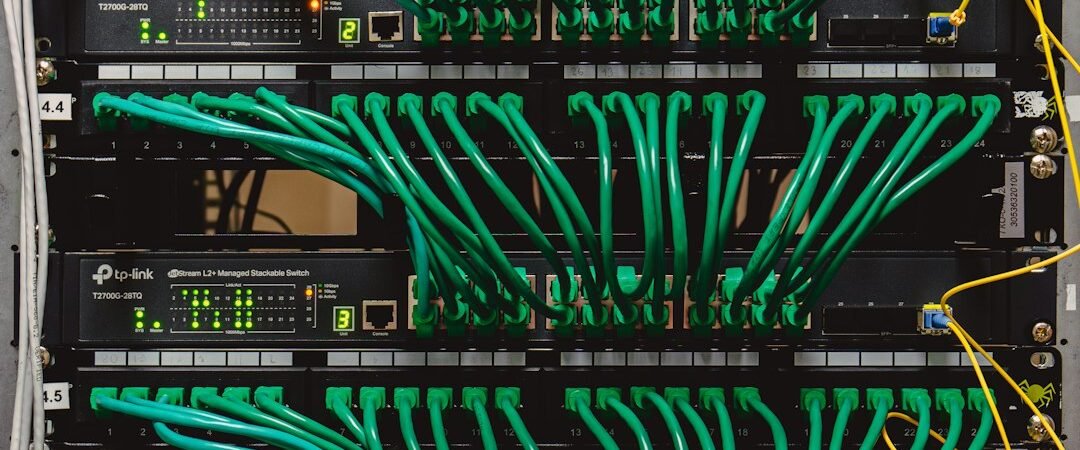
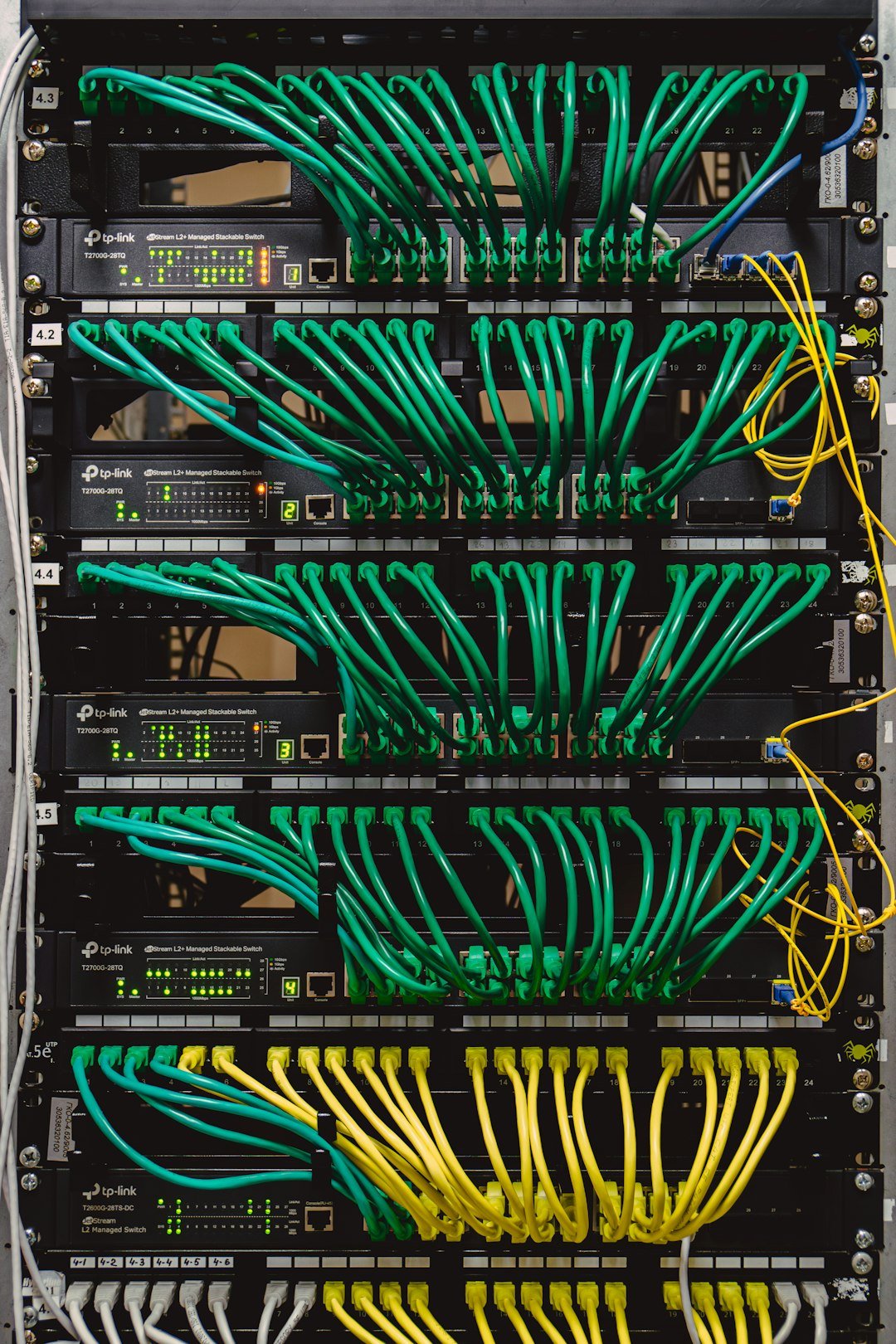
- Hardware encoders — dedicated physical devices, often rack-mounted, built for reliability and low latency; standard in professional broadcast and hospitality settings
- Software encoders — applications running on general-purpose computers, offering more flexibility and lower upfront cost but generally less reliability under heavy, continuous load
- Channel-count variants — encoders are commonly available in single-channel, 4-channel, and 8-channel configurations, depending on how many simultaneous video sources need to be encoded
Common Use Cases
- Hotels and hospitality distributing live TV channels to guest rooms over an internal IPTV headend system
- Broadcasters converting live SDI camera feeds into IP streams for internal routing or public distribution
- Corporate and campus environments distributing internal live events or training content over a private network
- Live event production streaming a live feed to an online platform or internal audience
Key Specs to Understand
| Spec | Why It Matters |
|---|---|
| Codec support (H.264/H.265) | Affects compression efficiency and hardware compatibility |
| Channel count | How many simultaneous video sources it can encode |
| Latency | Critical for live events where delay is noticeable |
| Input type (HDMI/SDI) | Must match your existing video source hardware |
| Output protocol support | Determines compatibility with your headend or distribution system |
Frequently Asked Questions
What’s the difference between an IPTV encoder and an IPTV headend?
An encoder converts a single (or several) video source into an IP stream. A headend is the broader system that manages, organizes, and distributes multiple encoded channels to end devices — the encoder is one component within a full headend setup.
Do I need a hardware encoder or will software work?
It depends on scale and reliability requirements. Hardware encoders are generally preferred for continuous, professional deployments (like a hotel’s live channel lineup) because they’re purpose-built for stability, while software encoders suit smaller-scale or occasional use where cost and flexibility matter more.
What codec should I use, H.264 or H.265?
H.265 offers better compression at the same quality level, which helps when bandwidth is limited, but it requires more processing power and often costs more. H.264 remains widely compatible and is often sufficient for less bandwidth-constrained deployments.